Robotic Welding in Manufacturing: Why 100% Automation Doesn’t Work
Automate Everything? That Was the Plan.
When we first invested in robotic welding, we thought the goal was simple:
Automate everything.
Like many manufacturers, we were facing pressure around skilled labour, lead times, and growing demand. Automation felt like the obvious solution.
So naturally, we assumed the robot should handle 100% of the welding process.
The reality was different.
The Problem With Full Automation
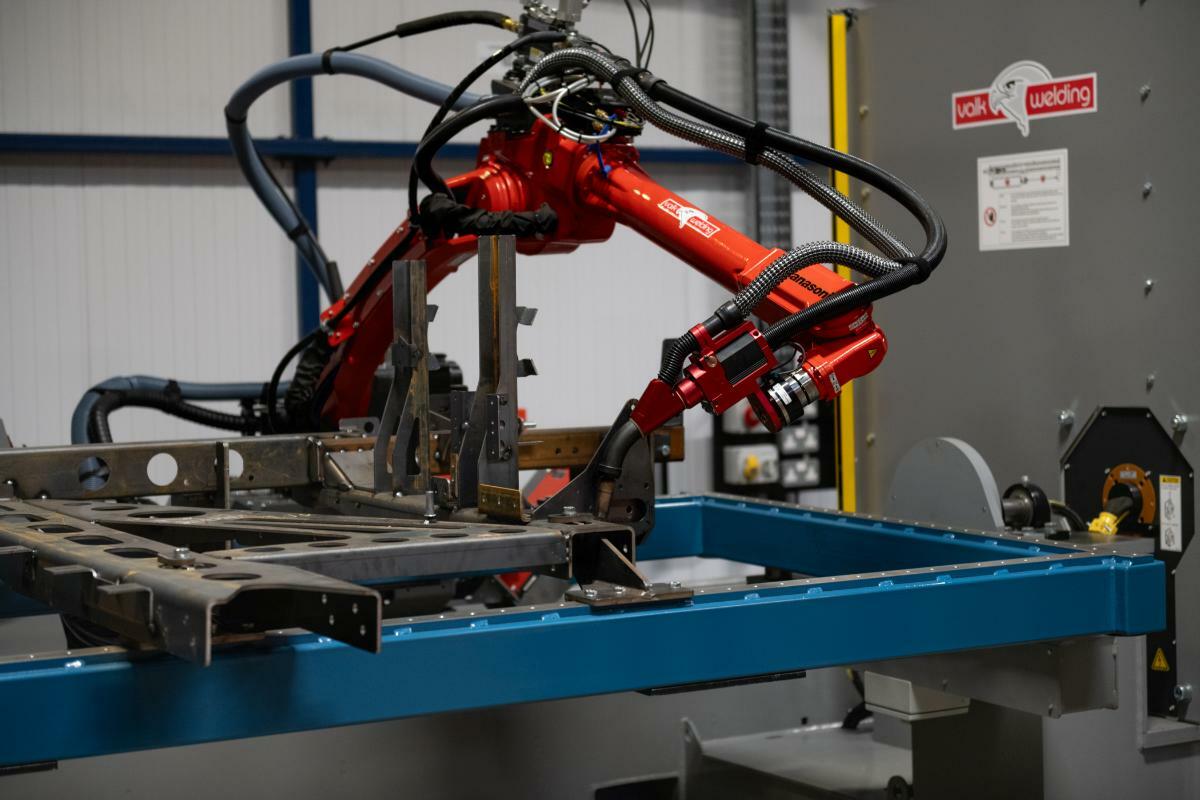
At the beginning, we tried to make the system do everything.
On paper, it made sense.
In practice, it created more movement, more setup, and more complexity - without always improving results.
The technology wasn’t the issue.
The issue was how we were trying to use it.
That’s something we only fully realised after working closely with Valk Welding.
Finding the Right Balance
Through experience and honest conversations, we recognised something important:
The most effective solution wasn’t full automation.
It was balance.
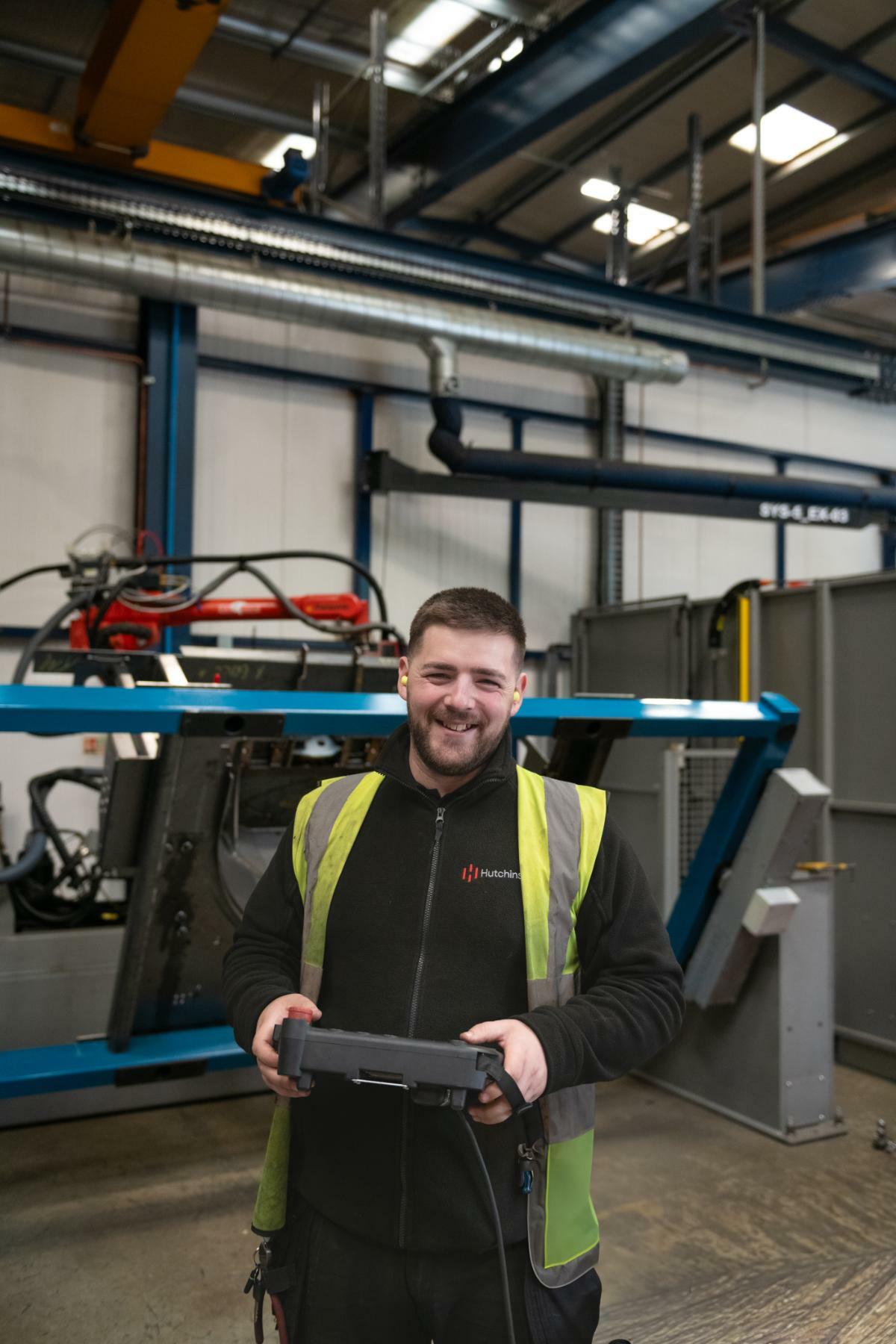
Today, the robot handles around 70–80% of the repetitive welding work, while our skilled fabricators complete the stages that require judgement, adaptability, and experience.
The result:
- Better workflow efficiency
- Better consistency
- Better use of skilled people
- Better quality
Instead of replacing people, the system supports them.
That’s where automation creates the most value.
Technology Alone Doesn’t Solve Problems
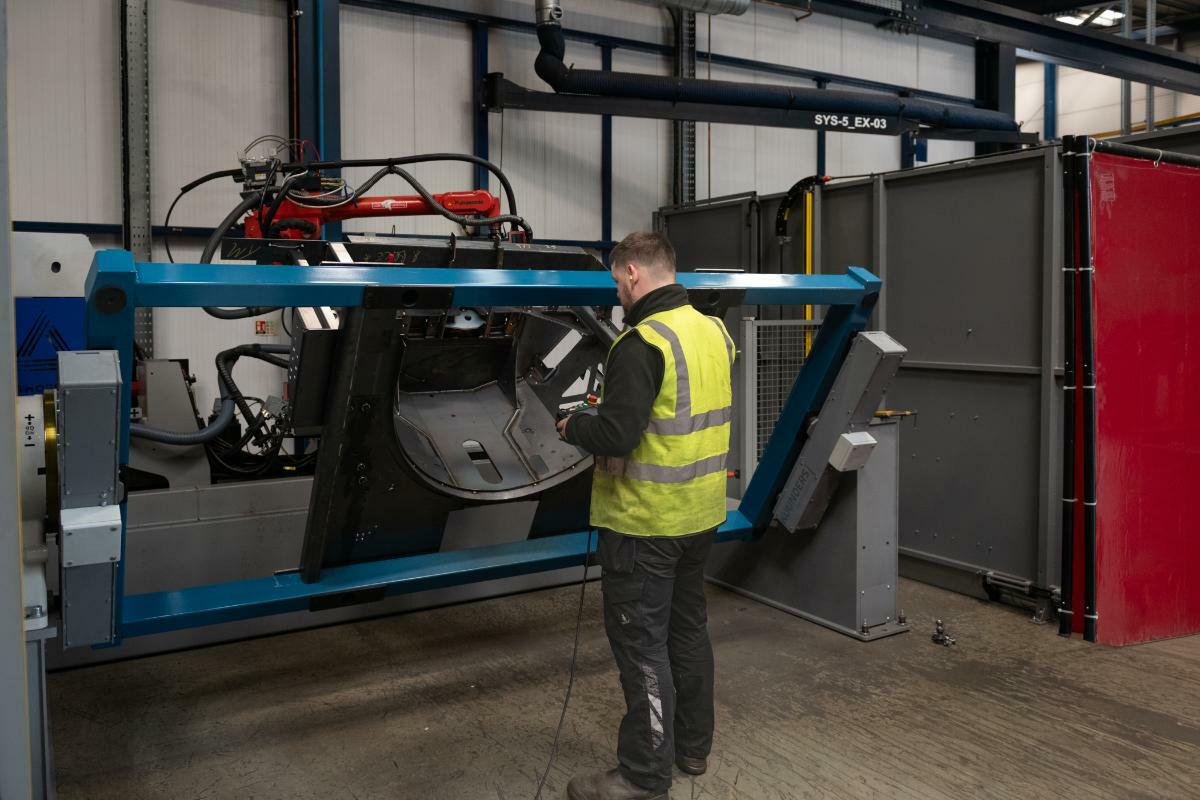
One of the biggest lessons we’ve learned is that technology alone doesn’t solve problems.
You also need:
- the right process
- the right conversations
- and a clear understanding of where automation actually helps
Because innovation without alignment rarely works.
There’s often a perception that automation is about replacing people.
We see it differently.
The machines handle repetitive tasks.
Our people focus on quality, problem-solving, and decision-making.
That combination is what creates real operational improvement.
What Manufacturing Looks Like Moving Forward
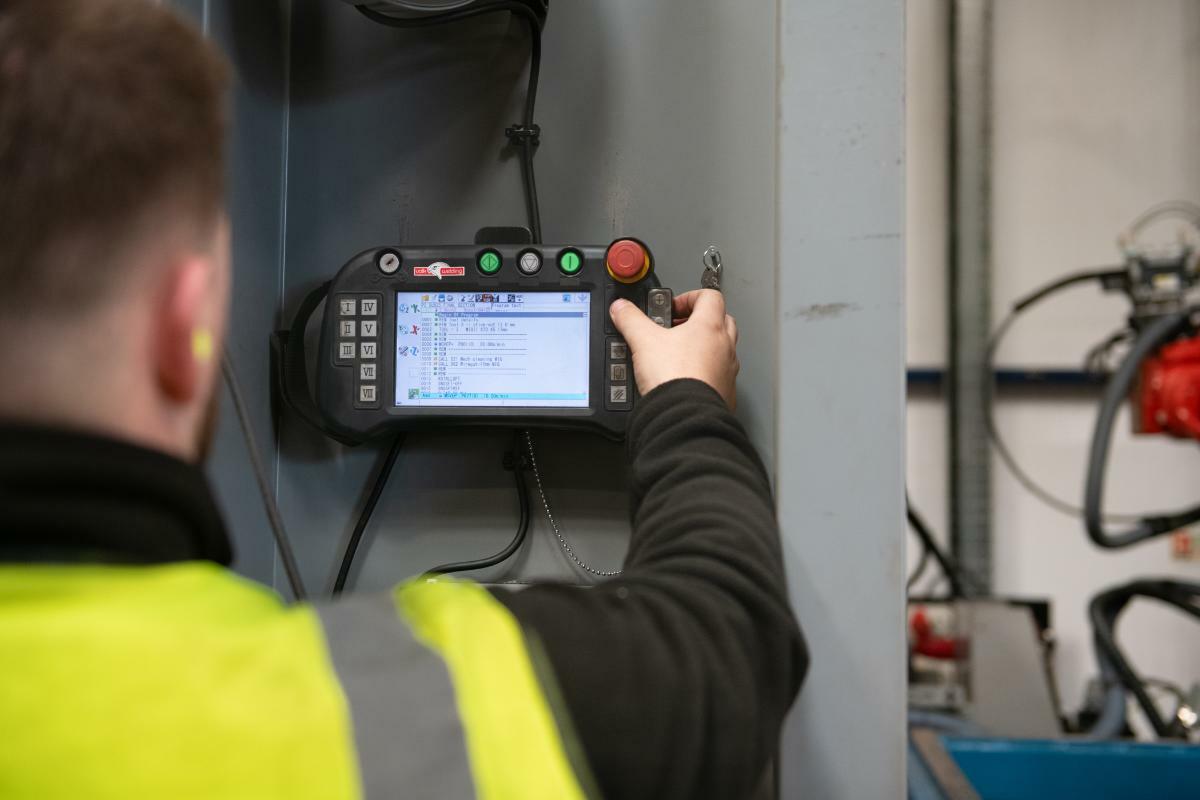
Successful manufacturers won’t choose between people and automation.
They’ll combine both properly.
Because the goal isn’t to remove people from manufacturing.
It’s to help skilled people do their best work.
Continue Reading:
Why Every Workstation on Our Factory Floor Has a PC
Automation works best when people have the right information. See how digital shop floor systems improved communication, reduced errors, and supported operators in real time.
Most Factories Have the Ideas - They Just Don’t Use Them
Technology alone doesn’t improve manufacturing. Discover how our Get’er Done system helps employees drive continuous improvement from the shop floor.
Share this article


