Continuous Improvement in Manufacturing: Small Ideas That Deliver Real Results
Seven years ago, we asked a simple question on the shop floor:
How can we make things better?
That question became our Get 'Er Done initiative - a practical approach to continuous improvement in manufacturing.
Not a management programme.
Not a large transformation project.
Just simple ideas from the people doing the work every day.
Since then, it’s led to thousands of small improvements - safer processes, smoother workflows, and more efficient operations.
The impact shows up in the numbers.
But the real change is cultural.
Problems aren’t something to work around anymore.
They’re something to fix.
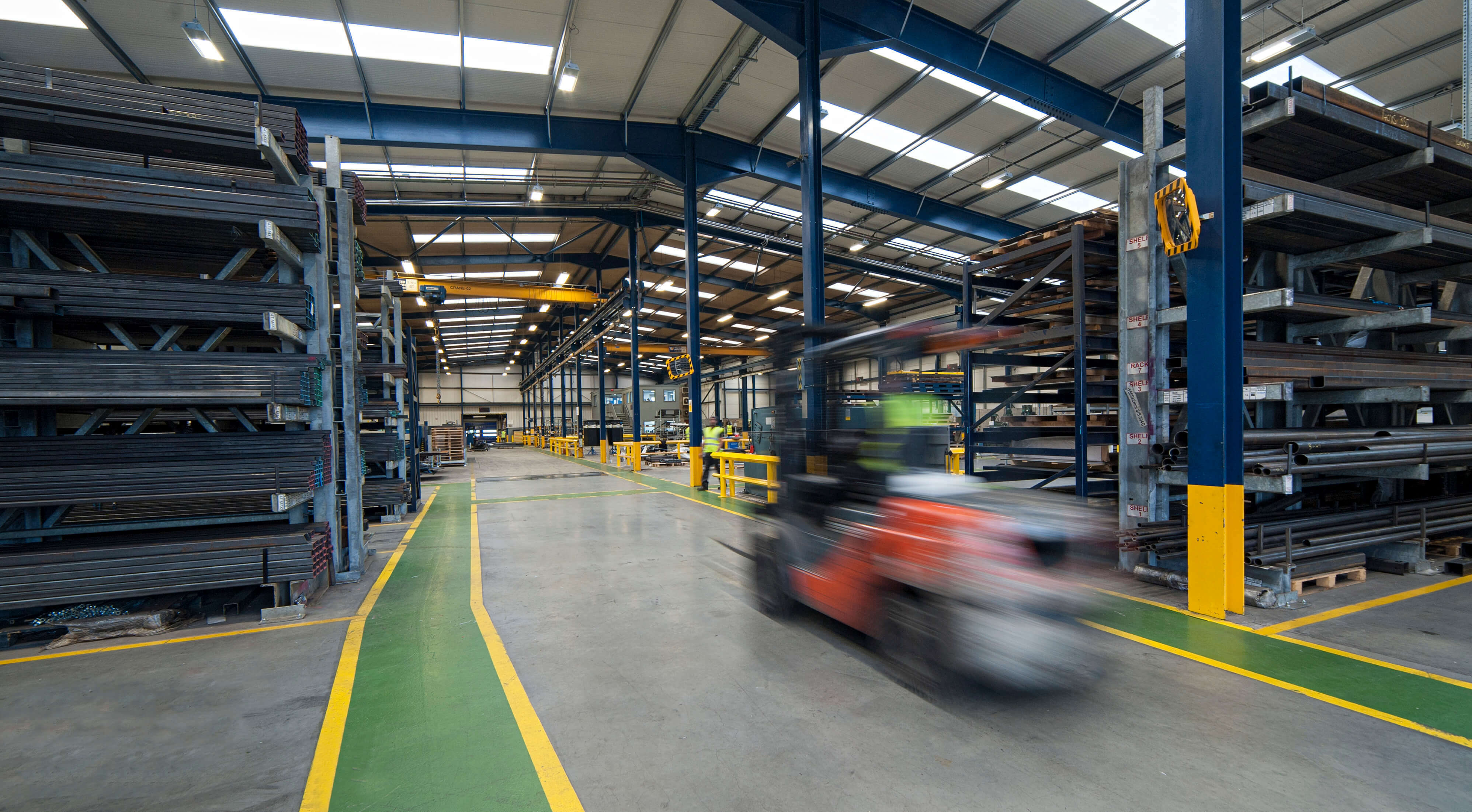
Where It Started
Continuous improvement in manufacturing often begins with small observations.
Time lost searching for parts.
Delays between processes.
Tasks that take longer than they should.
Individually, they don’t seem significant.
But across a business, they create inefficiency.
Addressing these small issues consistently is what drives real improvement.
What We Mean by Continuous Improvement
Continuous improvement in manufacturing is about making small, practical changes that improve efficiency, reduce waste, and support better outcomes.
At Hutchinson, that means:
- Spot the problem
- Fix it
- Move on
No complexity.
No overthinking.
Just making things better, every day.
What This Looks Like in Practice
Making Work Easier to Track
Tracking production orders was time-consuming and difficult to visualise.
A simple, colour-coded dashboard now shows exactly where each order is in real time.
45 hours saved every week
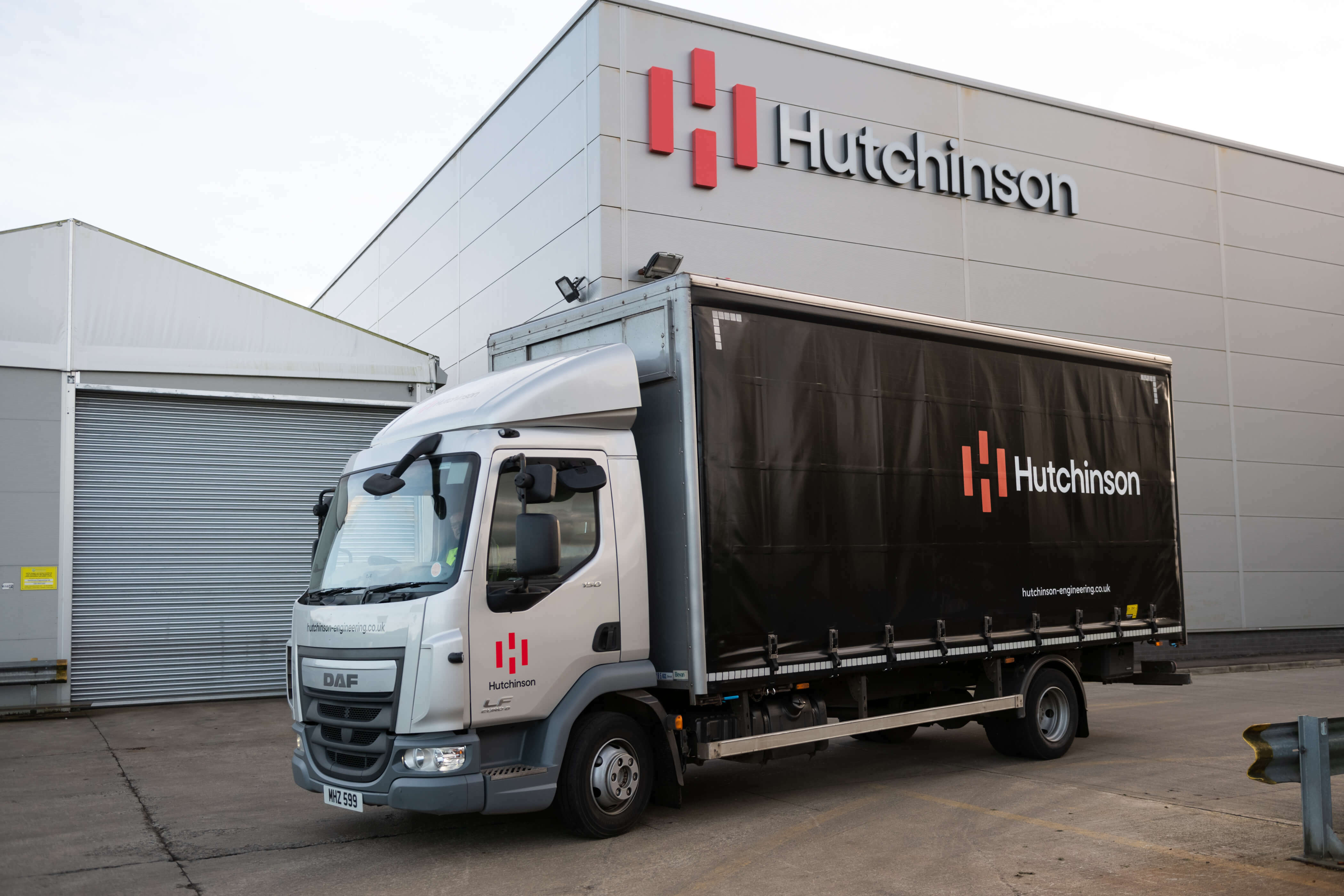
Cutting Out Wasted Time in Transport
Drivers were spending time waiting for loads to be prepared.
By pre-loading trailers in advance, that delay was removed.
5 hours saved every week
Design Changes That Improve Manufacturing Efficiency
A product design required unnecessary welding, adding time to every assembly.
By reviewing and adjusting the design, that step was removed completely.
100 minutes saved every week
Why This Approach Works
None of these improvements required major investment.
They came from:
- Understanding the process
- Identifying inefficiencies
- Making practical changes
When applied consistently, these improvements reduce wasted time, improve workflow, and increase overall efficiency.
The Real Impact
The biggest impact isn’t just operational - it’s cultural.
When people are trusted, listened to, and given ownership, they take responsibility for improving how work is done.
That’s when continuous improvement becomes part of the business - not just an initiative.
Want to See It for Yourself?
Continuous improvement in manufacturing isn’t about big ideas alone.
It’s about small improvements, applied consistently - and seeing how they work in the real world.
If you’d like to see how this looks on a live shop floor, we run regular Lean Tours where we share our approach openly.
Share this article


